
Have any questions?

All articles

MAT News and Research

How Medications for Opioid Use Disorder (MOUD) Can Bring Normalcy

Exploring the role of genetics in opioid addiction, this article delves into the concept of 'endorphin deficiency' and how Medications for Opioid Use Disorder (MOUD), particularly Methadone and Buprenorphine, can aid in restoring normalcy in opioid-dependent individuals. The article further highlights the potential future of addiction treatment through gene mapping, encouraging those seeking effective opioid addiction treatment in Sacramento to consider science-backed approaches for recovery.

July 25, 2023

C.O.R.E. Medical Clinic Team
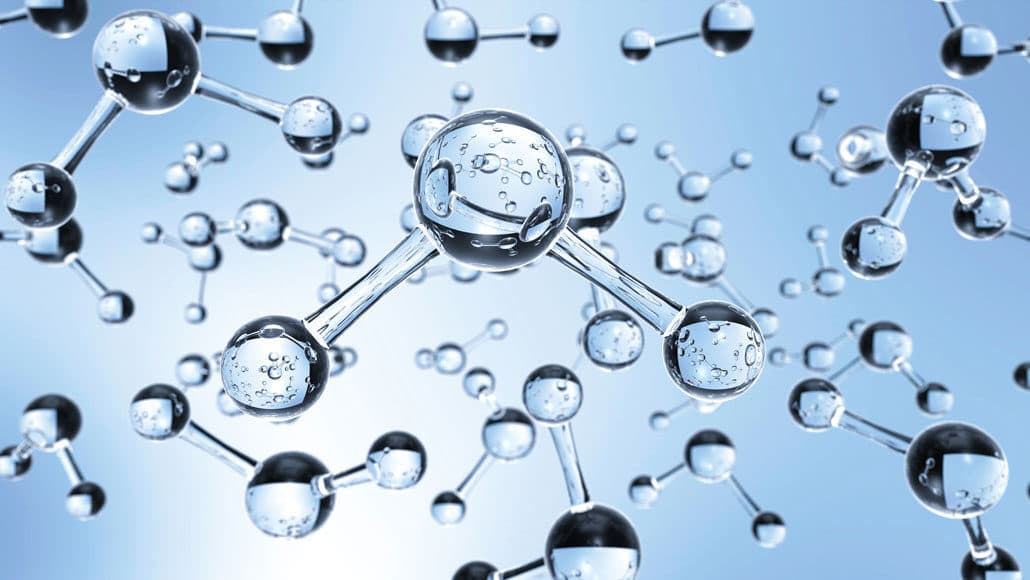
Image of transparent but visible water molecules

The Journey from Pain to Relief: Unraveling the Genetics of Addiction

Opioid addiction is a complex issue that is steeply rooted in our genetic framework. Genetic mutations, although random, sometimes give us pleasure and sometimes bring harm. We have no control over which ones we inherit, but the advancements of modern science have allowed us to use these mutations to transition from debilitating pain to relief.

Unmasking the Role of Endorphins in Opioid Addiction

One approach to opioid addiction treatment, Medications for Opioid Use Disorder (MOUD), aims to administer a normalizing dose of Methadone or Buprenorphine to an individual suffering from opioid dependency. This approach rests on the belief that these individuals might be grappling with an 'endorphin deficiency'. There's compelling evidence that an attraction to opioids can either result from or lead to this condition after repeated exposure to opioids due to a myriad of stress-related reasons.

Alcohol: An Apt Comparison

Drawing parallels between opioid addiction and alcohol use might help us understand this matter better. The influence of genetic mutations in our propensity to consume and become addicted to alcohol is a topic of ongoing scholarly debate. Similarly, those who inherit an excess or deficiency of opioid-related genes may experience either a compelling attraction or an intense repulsion to opioids.

Our Historical Tryst with Opioids

The human relationship with opioids, like opium derivatives, is age-old, highlighting the long-standing presence of opioid receptors in the brain. These receptors control critical functions, like pain control, anxiety reduction, and even influence the size of our pupils. Interestingly, the opioid receptors in the reward areas of our brain are densely populated, underscoring the role of opioids in our pleasure-seeking behaviors.

Understanding the Role of Endorphins

Endorphins, discovered in the early 1970s, are short proteins that interact with the opioid receptors quickly. They're broken down almost immediately, protecting us from developing an addiction to them. However, opioids amplify the effects of endorphins but are not broken down as rapidly. They adhere to the receptors for a more extended period than endorphins. Over time, this behavior of opioids leads to the development of tolerance and a possible 'endorphin deficiency'.

Future of Addiction Treatment: Gene Mapping

Today, as more people participate in gene mapping programs like '23 and Me' and 'Ancestry DNA', we're gathering substantial data to understand genetic variations better. With this wealth of information, it's plausible that in the future, we could manipulate genetic mutations to treat drug addictions effectively.

Methadone and Buprenorphine: Correcting Endorphin Deficiency

Both Methadone and Buprenorphine have shown promising results in restoring normal consciousness and physiology in individuals grappling with opioid addiction. Just as a medication like Atorvastatin can effectively manage high cholesterol, Methadone and Buprenorphine can normalize the conditions for those with opioid dependency, reducing or eliminating the associated stigma and paving the path towards a healthier life.

If you're seeking effective treatment for opioid addiction in Sacramento, our dedicated team at our opioid addiction treatment clinic can provide personalized, compassionate care. We believe in utilizing science-backed approaches, like MOUD, to ensure you or your loved one can live a life free from the clutches of addiction. Contact us today to begin your journey to recovery.

Educational content from Core Medical Clinic. This article does not replace professional medical advice, diagnosis, or treatment.

Core Medical Clinic

Ready to talk with the C.O.R.E. team?

Recovery support starts with a clear next step.

Reach out to learn more about treatment options, appointment availability, and what care at C.O.R.E. Medical Clinic looks like.

Contact Us

Frequently Asked Questions

Initially, an intake assessment and admission medical history and exam is completed by counseling and medical staff. Treatment options are discussed and a course of action taken. Medication recommendations are made and initated to balance safety and benefit as much as possible. It is very important to let counseling, dispensing and medical staff know how the medication is working or not so appropriate adjustments can be made.

At C.O.R.E., we strive to individualize treatment and maximize success. There is no time pressure. Some do well with short term treatment while others benefit from long term treatment. We know relapse is common and can have disasterous results. We work hard to treat each patient as long as is required to achieve long term success.

First we work closely with the individual to achieve a “normalizing’ dose of medication to alleviate withdrawal and craving while minimizing side effects. Working closely with medical, dispensing and counseling staff most often allows us to achieve this goal in the first few days to weeks.

Not necessarily. C.O.R.E. Medical Clinic serves patients in Sacramento, West Sacramento, and surrounding areas. People often choose a clinic based on accessibility, treatment needs, and location.

C.O.R.E. Medical Clinic accepts several health insurance plans, including Medi-Cal, MHN, Anthem, Medicare, Humana, Kaiser Permanente, Optum, Blue Shield of California, Magellan Health, and Western Health Advantage.

As most patients entering treatment know, opioid withdrawal is awful and inevitably leads to continued use. We are sensitive to how terrible the craving, restlessness, anxiety, bone aches, upset stomach, nausea, vomiting, sweating, etc. can be. If alcohol, benzodiazepines, stimulants, or other drugs are involved withdrawal can be medically dangerous and require residential or coordinated medical care. Opioid withdrawal can be greatly reduced or eliminated by the early doses provided but again frequent contact with treatment staff for medication adjustments is very important.

The great majority of patients seeking treatment for opioid addiction can continue their normal life, including work, while they are working to find their ’normalizing’ medication dose. If residential or coordinated medical care is required, some time off may be necessary but again this will be individualized. Clinic hours are designed to accommodate the vast majority of working patients.

We work hard to educate patients about the benefits and safety of MAT. Many myths circulate about MAT such as it causing liver problems, bone problems and being harder to get off than fentanyl or heroin. These are absolutely false and will be discussed in detail with your treatment staff. Patients who receive MAT are much healthier than patients not in treatment. Learning to manage common side effects like constipation and weight gain can make patients healthier than they have ever been. All opioids are hard to get off but MAT can set up a very careful and safe detox when a patient is ready. An abrupt short term detox is not advised and can be difficult but a gradual, medically safe detox minimizes withdrawal symptoms. Supplemental safe, non addicting medications can further reduce unpleasant withdrawal symptoms.

Don't see an answer to your question?

If you have any questions, please don't hesitate to contact us. We're here to help you.

Contact Us
Banner

You have right to verify a program’s license and/or certification status. You can do so at the following link:

Click here to verify
CARF accreditation

C.O.R.E Medical Clinic

© 2026 C.O.R.E. MEDICAL CLINIC.
All Rights Reserved.

HIPAA & Privacy Practices

Content on this website is for general educational purposes and does not replace professional medical advice, diagnosis, or treatment. If you are experiencing a medical emergency, call 911.
Logo

Recovery With Respect

Improving the lives of individuals through comprehensive opioid replacement services

Contact Usor give us a call
Core Medical Clinic recovery care